Loading...
Serving Ankeny, IA and surrounding areas. (515) 963-5532
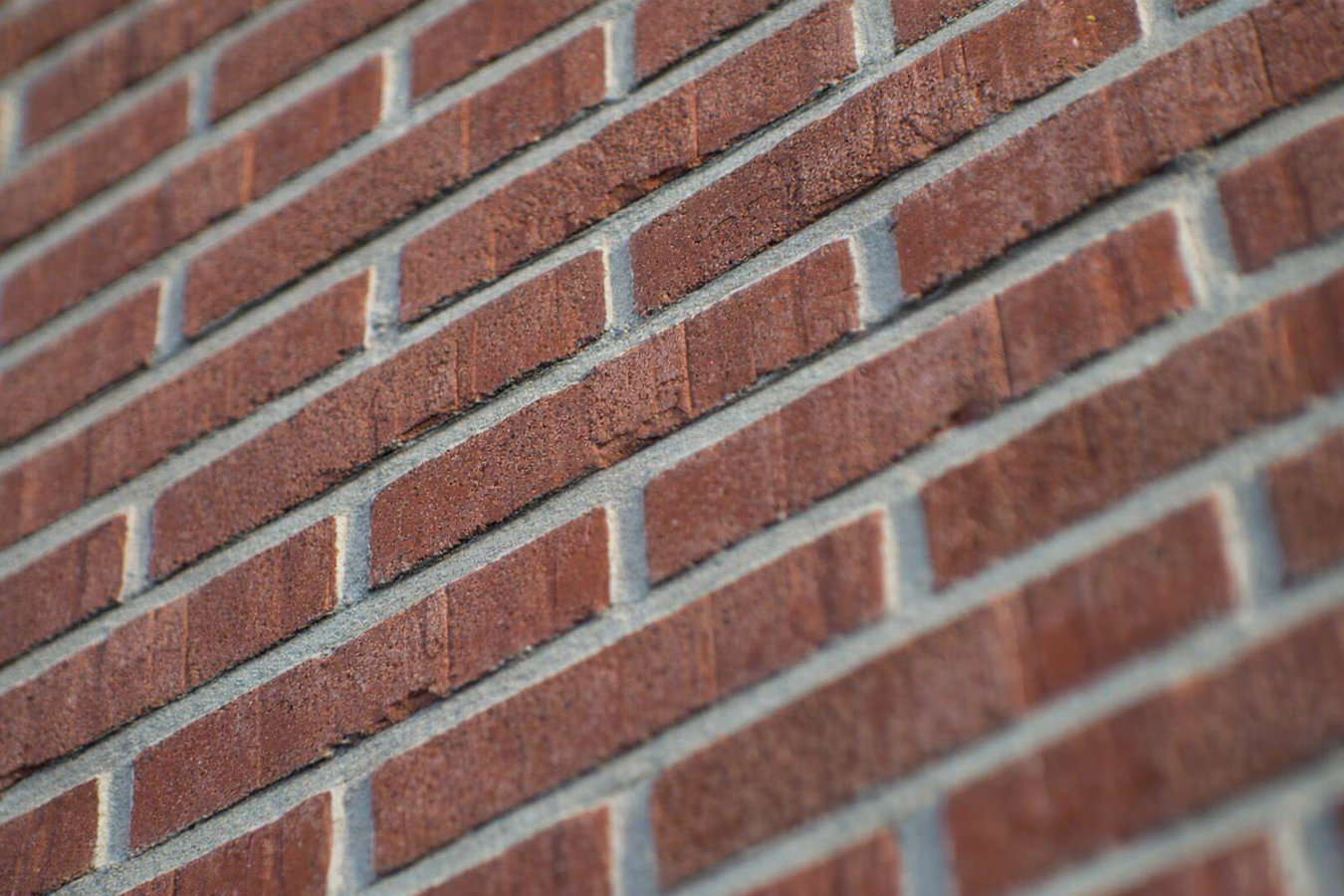
Crumbling mortar lets water behind your brick, and every Iowa winter makes the damage worse. We repack joints with fresh mortar matched to your brick type before water reaches your walls or framing.
Brick pointing in Ankeny is the process of removing deteriorated mortar from between your bricks to a depth of about three-quarters of an inch and repacking those joints with fresh mortar, with most chimney jobs taking one to two days and larger wall sections taking up to a week. The mortar is your wall's first line of defense against water - once it starts cracking or falling out, rainwater and snowmelt can get behind the bricks and cause serious damage to the framing and insulation underneath.
Ankeny's freeze-thaw winters are the main reason mortar fails here faster than it would in a warmer climate. Every time water gets into a small crack in the mortar and then freezes, it expands and makes that crack a little bigger. Over a few seasons, what started as a hairline gap becomes a crumbling joint. If your home is more than 30 years old and the mortar has never been touched, there is a real chance it is overdue - even if it does not look obviously damaged yet. If your home also has areas where bricks themselves are cracked or spalling, we can assess the scope of any masonry restoration work at the same time so you have a complete picture of what needs attention.
Good repointing work, done with the right mortar mix for your brick type, should last 20 to 30 years or more. Using mortar that is too hard for older, softer bricks is one of the most common mistakes in this trade - it can actually crack the bricks themselves over time. We assess your brick type before mixing anything so the repair does not create a new problem.
Stand back and look at your brick wall or chimney from a few feet away. If you can see dark gaps where mortar used to be, or if the mortar looks like it is flaking or crumbling, that is a clear sign it needs replacing. You should not be able to push your finger into the joint - if you can, the mortar has lost its integrity.
White, chalky streaks on your brick are called efflorescence - a sign that water is moving through the wall and carrying minerals to the surface as it evaporates. In Ankeny's wet spring climate, this often appears after a heavy rain season and is an early warning that your mortar is letting water in.
Iowa winters are hard on chimneys because they are fully exposed from all sides. In early spring, inspect your chimney for rough, pitted mortar or small chunks missing from the joints. If you see that pattern, the freeze-thaw cycle has been doing damage all winter - and it will get worse next season if left alone.
Damp spots, peeling paint, or water stains on an interior wall that backs up to an exterior brick surface may mean water is getting in through failing mortar joints. This is especially common in older Ankeny homes after a wet spring. Do not assume it is a roof or plumbing issue until the exterior brick has been inspected.
We repoint chimneys, exterior brick walls, garden walls, and brick features on homes across the Ankeny area. The process is the same regardless of where the brick is: old mortar comes out to a minimum depth with a grinder or chisel, fresh mortar is packed in layer by layer, and joints are shaped to match the original profile. If color matching matters to you - particularly on a visible front-facing wall - we mix test batches and let them dry before committing, because wet mortar looks significantly darker than cured mortar. For homes where the brick joints have been compromised long enough that structural issues exist below the surface, foundation repair may also need to be assessed - and we can scope both on the same visit.
For homeowners dealing with broader mortar and masonry deterioration across multiple surfaces, masonry restoration covers repointing alongside brick cleaning, crack repair, and weatherproofing in a single project scope. We handle all of this under one roof so you are not coordinating multiple contractors for what is fundamentally the same job. Ankeny's Building and Development Services does not typically require a permit for routine repointing, but if the work involves a chimney connected to a heating appliance, we confirm with the city before starting to protect you from any compliance issues.
Best for homeowners whose chimney mortar shows roughness, pitting, or missing chunks after one or more hard Iowa winters - addressed before the next heating season.
Suited for homes where the mortar on one or more exterior walls is crumbling, missing in sections, or allowing visible water staining on the brick face.
For homeowners where only specific sections of mortar have failed and the rest of the wall is still sound - repaired selectively without a full wall teardown.
For older Ankeny homes where the mortar has never been touched and needs a complete refresh, with test batches to match the cured color as closely as possible to the surrounding masonry.
Ankeny sits in a climate zone where temperatures regularly swing above and below freezing dozens of times each winter. Every time water gets into a small mortar crack and freezes, it expands and widens that crack. Over a few seasons, a hairline gap becomes a crumbling joint - and once a joint is open, every wet spring in the Des Moines metro pushes more water through it. The Brick Industry Association publishes technical standards for mortar selection based on brick hardness and climate exposure - standards we follow on every job in this area to make sure the repair material does not outlast or outperform the brick and cause new damage. Homeowners in Urbandale and Clive face the same freeze-thaw conditions and older brick housing stock, and we bring the same mortar specifications to every project across the metro.
A significant portion of Ankeny's housing stock was built in the 1960s through 1980s, and homes from that era often have mortar that has never been touched since the house was built. Mortar from that period typically lasts 25 to 30 years under normal conditions - which means many Ankeny homeowners are already past the point where inspection is overdue. The city also has a large number of newer subdivisions with HOA rules around exterior appearance, and some associations require pre-approval before exterior repair work begins. We are familiar with that process and can provide documentation to help you get approval quickly if your neighborhood requires it. For a quick reference on what triggers permit requirements, Ankeny Building and Development Services is the right place to start.
We respond within one business day. We will ask where the brick is located, how much area looks damaged, and whether you have noticed any water getting inside - so we arrive at the estimate knowing what to look for.
We walk the affected area, inspect the mortar joints closely, and check whether the bricks themselves are still sound. You will get a written estimate that breaks down what needs repointing and why - no verbal-only quotes.
We set up scaffolding or ladders and carefully remove old mortar to a depth of about three-quarters of an inch without disturbing the bricks. Fresh mortar is packed in layers and shaped to match the original profile. A thorough chimney or wall section job takes one to three days.
We clean the site and walk through the finished work with you. Fresh mortar needs 24 to 48 hours to stay dry and several weeks before power-washing - we give you specific aftercare instructions before we leave.
No obligation. We come to your property, show you exactly what needs attention, and give you a clear written quote before any work is scheduled.
(515) 963-5532Using mortar that is too hard for older, softer brick is a common mistake that ends up cracking the bricks themselves over time. We assess your brick type before mixing anything and select a formulation suited to Iowa's freeze-thaw conditions - not a one-size-fits-all bag mix.
Rushing the mortar removal with an aggressive grinder damages brick faces and creates a bigger problem than the one you started with. We take the time to remove old mortar cleanly, working at a pace that protects the surrounding brick on every joint.
We work regularly in Ankeny's older downtown neighborhoods and its newer subdivisions, and we know the difference between the two - the older brick types, the HOA approval processes in planned communities, and the seasonal timing that gives mortar the best chance to cure correctly before Iowa's next winter.
You will know what is being repaired, the materials being used, and the total cost in writing before work begins. If we find something unexpected once we get into the joints, we contact you before proceeding - no surprise charges on the final invoice.
Brick pointing is one of the most cost-effective repairs a homeowner can make - a relatively modest investment that stops a much more expensive water damage problem before it starts. Getting it done right the first time, with mortar that holds up through Iowa winters, is the only way the repair delivers on that value.
When mortar failure has allowed water intrusion long enough to affect the structure below, foundation repair addresses the underlying problem.
Learn MoreBroader masonry work combining repointing with brick cleaning, crack repair, and weatherproofing for homes with deterioration across multiple surfaces.
Learn MoreFall booking slots fill quickly - reach out now to lock in a date before Iowa's winter closes the window on safe mortar work.