Loading...
Serving Ankeny, IA and surrounding areas. (515) 963-5532
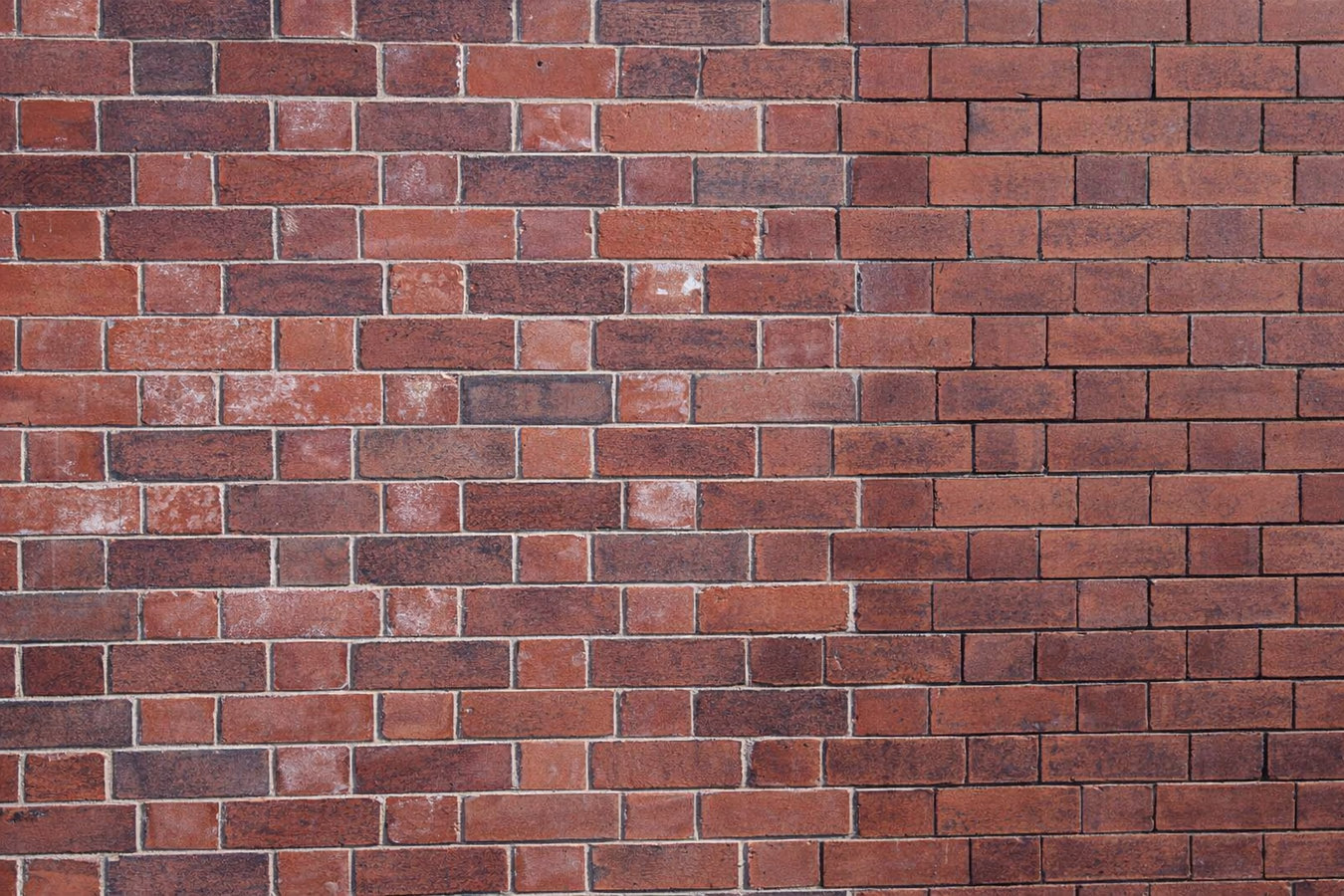
Crumbling mortar, spalling brick, or stair-step cracks signal that your masonry needs attention now - not next season when the damage is worse.
Masonry restoration in Ankeny covers repairing and renewing brick, stone, or concrete block surfaces damaged by age, weather, or water - most residential jobs take one to three days, and larger exterior projects may take a week depending on scope.
If you own a home in Ankeny built between 1970 and 2000, the mortar between your bricks is likely approaching or past the point where it starts to fail. Iowa winters are hard on masonry - every freeze-thaw cycle pushes moisture deeper into small cracks, and what looks minor in September can become a real problem by March. Masonry restoration stops that cycle and returns your wall to a solid, weather-tight condition.
Restoration covers everything from repointing worn mortar joints to replacing individual spalled bricks and treating stained surfaces. If you are also dealing with tuckpointing needs on an older chimney or a brick wall, the two services often go hand in hand - we assess the full picture before recommending a scope.
Run a finger along the mortar joints between your bricks. If the mortar crumbles, feels soft, or has pulled away leaving a visible gap, it is no longer keeping water out. In Ankeny's climate, this kind of deterioration accelerates quickly - a minor cosmetic issue in spring can become a water infiltration problem by the following winter.
Those white streaks are called efflorescence. They form when water moves through your masonry and carries dissolved salts to the surface. Seeing this on your home is a clear sign water is getting into the brick or mortar somewhere it should not be. It is not just cosmetic - it tells you water is actively moving through your wall.
When brick faces start to flake in thin layers, it usually means freeze-thaw damage has been building for several seasons. This is especially common on walls that face north or stay wet longer after rain. Once the outer face of a brick starts breaking down, the damage speeds up - and eventually the brick needs replacing, not just patching.
Cracks that follow a stair-step pattern along the mortar joints are a common sign of foundation movement or soil settlement - a relevant concern given Ankeny's clay-heavy soil that shifts with the seasons. Cracks running straight through the brick itself can indicate more serious structural stress. Either type deserves a professional look before the next winter.
Our masonry restoration work covers the full range of what brick and stone structures need in Iowa's climate. We handle mortar repointing, spalled brick replacement, crack repair, efflorescence treatment, and surface cleaning. If your chimney needs attention, we often pair restoration work with fireplace installation or rebuilt chimney work, treating the whole structure rather than patching one piece at a time.
For walls and foundations showing more significant deterioration, we assess whether targeted restoration or partial rebuilding makes more sense. Homeowners dealing with retaining wall cracking, brick veneer separation, or water infiltration near the foundation often find that masonry restoration solves problems that other contractors have only treated symptomatically. We also connect restoration scopes with broader tuckpointing projects when the mortar condition across a larger surface area warrants it.
Suits homeowners with crumbling or recessed mortar joints on brick walls, chimneys, or retaining structures.
Suited to walls where individual bricks have cracked, flaked, or broken apart while the surrounding masonry is otherwise sound.
Suited to structures with structural cracks, stair-step mortar joint cracking, or brick veneer separation from the framing.
Suited to homeowners dealing with white mineral staining or surface discoloration that signals ongoing moisture movement through the wall.
Suited to chimneys showing deteriorated crowns, missing caps, or mortar joint failure near the top of the stack.
Suited to older brick homes or commercial buildings where widespread mortar failure and surface damage require a systematic, whole-wall approach.
Ankeny sits in central Iowa, where winter temperatures regularly swing above and below freezing multiple times throughout the season. That repeated freeze-thaw cycle is the single biggest reason masonry deteriorates faster here than in milder climates. A large share of Ankeny's housing stock consists of brick-veneer homes built between 1970 and 2000, and the mortar in those homes is often at or past the point where it starts to fail - particularly on walls that face north or are shaded. Catching worn mortar early is far less expensive than dealing with water damage inside the wall after another winter.
The clay-heavy soil across the Ankeny area also plays a role. Clay soils swell when wet and shrink when dry, creating seasonal movement that puts stress on foundations, retaining walls, and any masonry resting on the ground. Cracks that appear near the foundation line are often connected to this soil movement, and restoring the masonry without addressing the underlying drainage or soil condition means the repair won't hold. We serve homeowners across Ankeny as well as neighboring communities including Johnston and Bondurant, where the same soil and climate conditions apply.
For technical guidance on freeze-thaw effects on masonry, the Brick Industry Association publishes repair and repointing standards used across the industry. Iowa State University Extension also covers central Iowa soil and moisture conditions relevant to masonry maintenance.
Contact us by phone or form and we will reply within one business day. We ask a few basic questions - where the damage is, how long you have noticed it - so we can show up prepared. No price is given until we have seen the work in person.
We walk the full perimeter and probe mortar joints to check how deep the deterioration goes. We also look at drainage, soil contact, and any cracks in context - not just the surface. This is your chance to ask questions and point out anything you have noticed.
You receive a written estimate describing exactly what will be done, what materials will be used, and the total cost. We will also tell you whether a permit is needed for your specific project and handle that paperwork ourselves if it is.
The crew removes damaged mortar or brick, cleans the area, and applies new mortar matched to your existing brick color and texture. Work is done in sections to keep the wall stable. Before leaving, we walk you through the finished work and tell you what to watch for going forward.
Free estimates, written quotes, no obligation. We reply within one business day.
(515) 963-5532We match mortar color and texture to your existing brick before any work begins. The finished repair blends into the surrounding wall - not a patch that announces itself every time you look at it.
Ankeny's clay-heavy soil is one of the main drivers of masonry cracking and movement. We look at drainage and soil contact as part of every assessment, so the repair addresses the cause - not just the visible damage.
Masonry work in Iowa is weather-dependent, and quality contractors book up fast in the narrow spring and fall windows. Reaching out early means your repair gets done in the right conditions. We hold schedule slots for customers who call before the rush.
Every job starts with a written estimate that spells out exactly what will be done and what it costs. The Mason Contractors Association of America, whose member guidelines we follow, treats written scopes as a baseline professional standard.
These details matter because masonry restoration is one of those services where poor work is obvious for years. We do it right the first time so you are not calling someone else to fix what we did.
Add or rebuild a masonry fireplace with materials and techniques suited to Iowa's freeze-thaw winters.
Learn MoreTargeted repointing of mortar joints that have crumbled or separated from the brick face.
Learn MoreAnkeny contractors book up fast in spring and fall - contact us now to lock in your spot and protect your home before the next freeze-thaw season.