Loading...
Serving Ankeny, IA and surrounding areas. (515) 963-5532
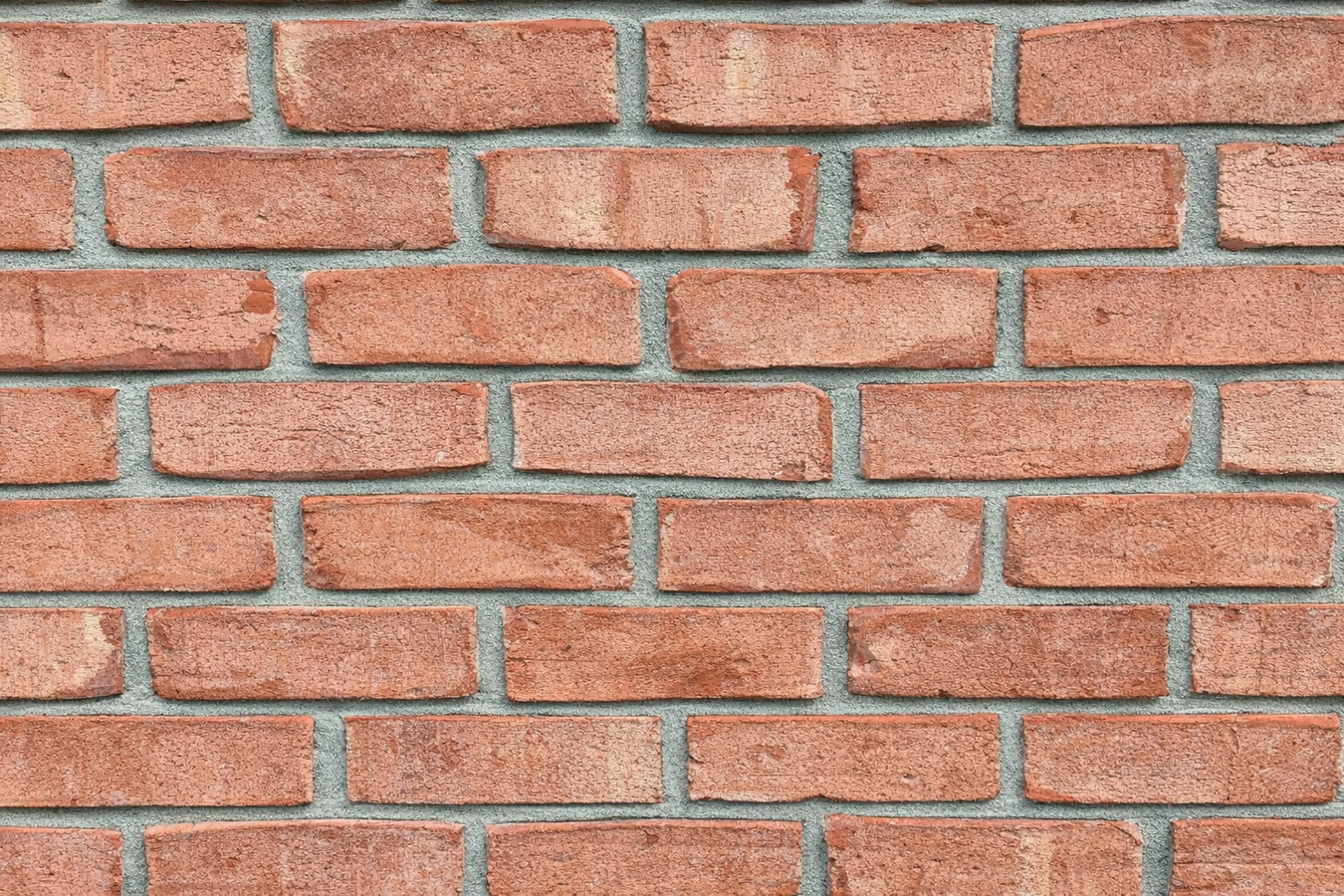
Crumbling mortar lets water into your walls with every rain. We remove the old material, pack in matched mortar joint by joint, and leave your brick looking and performing like it should.
Tuckpointing in Ankeny, IA involves grinding out deteriorated mortar from between bricks or stones and packing fresh material into those joints by hand - most residential jobs take one to three days. Brick can last over a century, but the mortar between bricks is softer by design and wears out first. When the mortar goes, water finds a path in, freezes in winter, and pushes the damage wider with each passing season.
Catching worn mortar early is almost always less expensive than waiting until bricks are cracked or water has reached the interior. If the damage to your masonry extends beyond the joints to the bricks themselves, take a look at our brick repair services - in some cases both repairs make sense to do at the same time.
The National Park Service Preservation Briefs are the most authoritative resource available on mortar repair and matching - worth reading if you want to understand what separates a quality repair from a poor one before you call anyone.
Run your hand along the mortar joints on your exterior walls. If the mortar feels soft, crumbles when pressed, or has visible gaps wider than a credit card, water is already finding its way in. This is the most obvious sign, and the one that warrants the most urgent call.
That chalky white residue on your brick face - called efflorescence - is a sign that water is moving through your masonry and carrying mineral salts to the surface. In Ankeny, where spring rains are heavy and the ground stays wet for weeks, this is a common early warning that your mortar joints are no longer sealing out moisture.
Chimneys are exposed on all four sides and take the most weather abuse of any brick surface on your home. If the mortar on your chimney looks darker, softer, or more recessed than the joints on your walls, the chimney should be your first priority. Failing chimney mortar can let water reach your framing and attic.
If water found its way into your basement last March or April, worn mortar joints at or near grade may be part of the reason. Look at the joints within two feet of the ground - if they look recessed or crumbling compared to joints higher up, that is a likely entry point for Ankeny's aggressive spring snowmelt.
We handle tuckpointing on all types of residential masonry in Ankeny and the surrounding area - exterior walls, chimneys, garden walls, and brick at grade level near foundations. The process starts by using a grinder or oscillating tool to cut out the old mortar to a consistent depth, then packing in new material that is matched to your existing brick in both color and hardness. For older homes, that mortar matching step is critical - using a mix that is too hard for soft older brick causes the bricks themselves to crack. The brick pointing step - shaping the finished joint to the correct profile - is the final part of the job that controls how water sheds off the wall.
We also pair tuckpointing with broader brick repair when the inspection reveals that bricks have been spalling or cracking from prolonged water exposure. Addressing mortar and brick in the same visit avoids disrupting the work area twice and ensures the finished repair is consistent across the whole section.
Best for homes where the mortar on an exterior face is receding, crumbling, or showing efflorescence after wet weather.
Right for chimneys where the cap mortar, crown, or vertical joints are visibly worn - highest priority because all four sides are exposed to weather.
For joints at or near grade that are letting in Ankeny's spring snowmelt and contributing to basement moisture.
Ankeny sits in a climate zone where temperatures regularly swing above and below freezing dozens of times each winter. Every time water in a mortar joint freezes, it expands slightly - and that repeated expansion grinds mortar down faster than in warmer states. What looks fine in September can be noticeably worse by April. Older neighborhoods close to downtown Ankeny have homes from the 1950s through 1970s with traditional brick construction that may need careful mortar matching, while newer subdivisions built since the 1990s use brick veneer where failing mortar is primarily a water-intrusion issue rather than a structural one.
Ankeny's spring thaw brings significant ground moisture, and homes with brick at or near grade level are especially vulnerable. Homeowners across Johnston and Clive face the same freeze-thaw conditions, and we regularly work in both communities on the same type of mortar repair. If you have noticed basement moisture in the spring, worn joints near grade are worth checking before the next thaw season begins.
We respond within 1 business day. You describe what you are seeing - soft mortar, white staining, chimney concerns - and we schedule a time to come out and look at the work in person before quoting anything.
We walk the full perimeter of your home, not just the area you mentioned. We check mortar depth, brick condition, and color so we can build the right mix. You receive a written estimate with scope, materials, and total cost - no ballpark numbers.
The crew cuts out old mortar with power tools - plan for noise and fine dust during work hours. New mortar is packed in by hand, section by section. Most jobs take one to three days depending on area.
Before the crew leaves, walk the completed joints with the lead mason. Fresh mortar needs 24 to 48 hours before it gets wet, and 28 days to reach full strength. We tell you exactly what to avoid during that window.
We respond within 1 business day. Written estimate before any work starts. No pressure, no vague quotes.
(515) 963-5532We test your existing mortar for hardness and color before mixing a replacement batch. This matters most on older Ankeny homes where soft brick requires a softer mortar - using the wrong mix causes bricks to crack over time.
You receive a written estimate that spells out exactly what is being done, where, and for how much. No verbal agreements, no surprise additions on the final invoice.
We know that mortar applied in temperatures below 40 degrees fails prematurely, and we plan around Iowa's narrow curing window. We will tell you honestly if your project should wait until conditions are right rather than rush a job that will not hold.
We are based in Ankeny and work throughout Polk County and the surrounding communities. When you call, you reach the people doing the work - not a call center scheduling crews from two hours away.
Tuckpointing is a specialty repair skill - different from laying new brick - and the details matter. Any experienced masonry contractor will tell you a repair done right now should last 20 to 30 years, and that is a much better outcome than seeing the same walls again in five.
When mortar failure has allowed water in long enough to damage the bricks themselves, full brick repair addresses both the joints and the damaged masonry.
Learn MoreBrick pointing focuses on finishing mortar joints to the correct profile, which controls how water sheds off the wall and how long the joints last.
Learn MoreEvery season you wait is another round of Iowa freeze-thaw working those joints wider. Call Ankeny Concrete & Masonry now and we will have a written quote to you within 1 business day.