Loading...
Serving Ankeny, IA and surrounding areas. (515) 963-5532
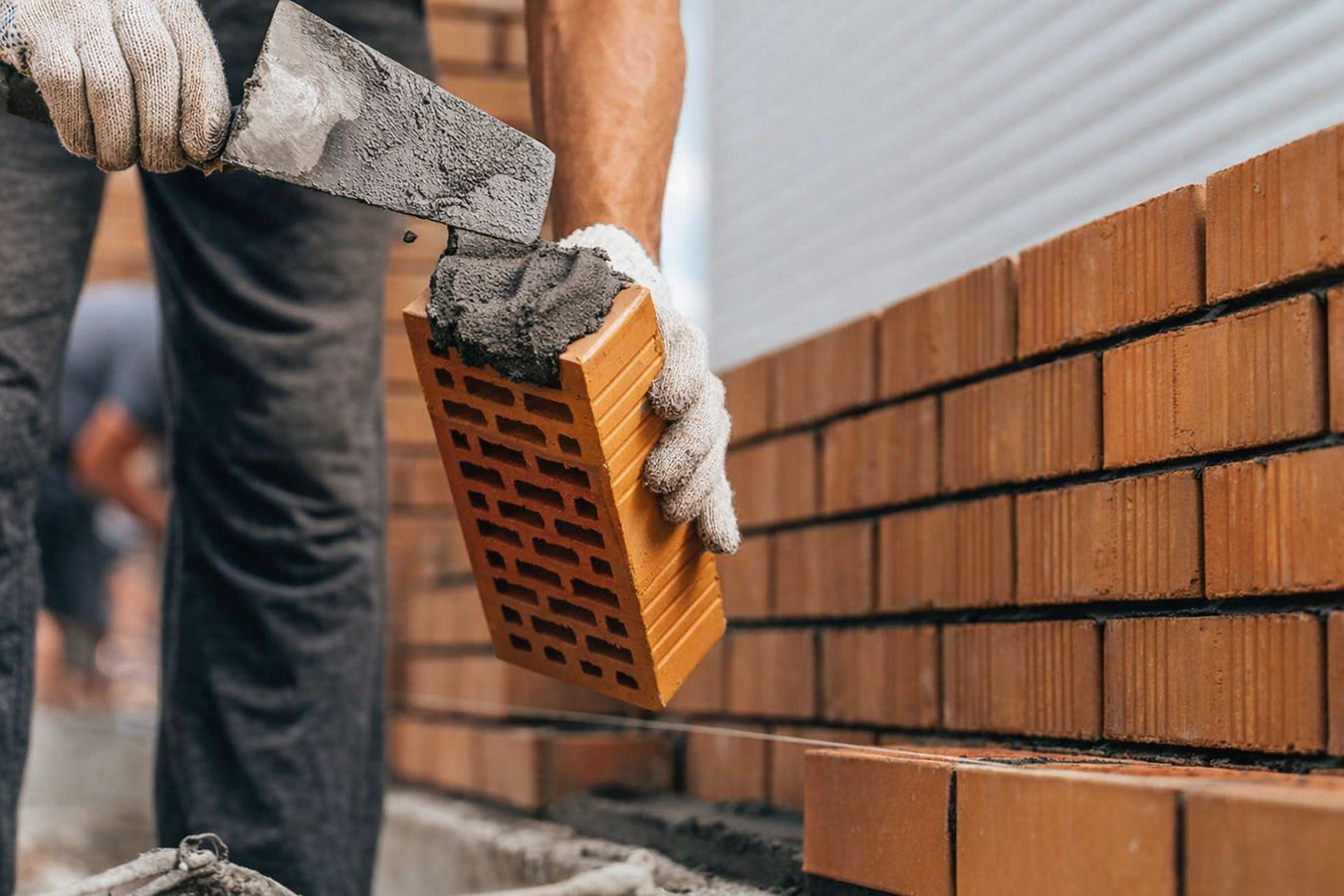
Cracked bricks, missing mortar, and stair-step damage do not stay small in Iowa winters. We find the cause, match the materials, and make the repair hold for the long haul.
Brick repair in Ankeny, IA means removing damaged bricks or failing mortar, cleaning the area, and replacing what is missing with materials matched as closely as possible to the original - most small to mid-size jobs take one to two days. The mortar between bricks is softer than the bricks themselves by design, so it weathers first. When it fails, water gets behind the wall, freezes, and starts pushing things apart from the inside. Catching the problem at the mortar stage is much less expensive than waiting until bricks are cracked or spalling.
When mortar is the primary issue rather than the bricks themselves, our tuckpointing service focuses specifically on regrinding and repacking joints. For more advanced masonry damage across a whole wall or structure, both services often make sense to combine. We will tell you which approach is right after the on-site assessment.
The Brick Industry Association maintains homeowner-facing guidance on brick maintenance and repair standards - a useful reference for understanding what a proper repair should look like before you hire anyone.
Run your finger along the lines between your bricks. If the mortar feels soft, crumbles easily, or has gaps you can push your finger into, it is no longer doing its job. In Ankeny's climate, this is very common on homes 30 or more years old, and it means water is finding its way in every time it rains.
Chalky white residue - called efflorescence - tells you water is moving through the wall and carrying dissolved salts to the surface. It is not just cosmetic. It signals moisture entry, and in Ankeny's freeze-thaw winters, that moisture will keep doing damage until the entry point is sealed.
Diagonal cracks that follow the mortar lines in a stair-step pattern often mean the ground beneath your home has shifted. This is particularly common in Ankeny and Polk County because of clay-heavy soil that expands and contracts with moisture. These cracks should be evaluated before any repair - filling them without understanding the cause often means refilling them next year.
When the face of a brick starts to flake off in thin layers - called spalling - it means water has been getting into the brick itself and freezing. Once a brick starts spalling, it absorbs water much faster than an intact one. Call a mason before the damage spreads to neighboring bricks.
Our brick repair work covers the full range of residential masonry problems in Ankeny - from replacing a handful of spalled bricks on a chimney to repairing a long section of wall where years of moisture damage have compromised multiple courses. We start every job by grinding or chiseling out the old damaged mortar, cleaning the joints, and mixing a replacement batch matched to your existing wall in both color and hardness. The hardness match is especially important on older Ankeny homes - if a contractor uses a modern hard mortar on soft older brick, the bricks themselves can crack from the inability to flex with temperature changes.
For walls where mortar is the main issue and the bricks are still intact, our tuckpointing service is the more targeted approach. When a project also involves improving curb appeal or addressing adjacent paving, we can coordinate brick repair alongside our driveway pavers work so the mobilization is not doubled. We will lay out the best sequence during the estimate visit.
Best when bricks are still solid but mortar joints are receding, crumbling, or showing efflorescence after wet weather.
Right for walls where specific bricks are spalling, cracked through, or have been damaged by impact or freeze-thaw cycling.
For chimneys with failed mortar, cracked caps, or staining - addressed before heating season to prevent water entry during the winter months.
Ankeny sits in a climate zone where temperatures regularly swing above and below freezing dozens of times each winter. Every time water gets into a small crack and freezes, it expands and pushes the crack a little wider. Over several winters, what started as a hairline becomes a serious gap. This accelerated wear is one reason homeowners here tend to see brick deterioration faster than people in milder climates - and catching problems early matters more as a result. Much of Ankeny's clay-heavy Polk County soil also swells when wet and shrinks when dry, which puts steady lateral stress on brick walls and chimneys and is the main reason stair-step cracks are so common in this area.
Older neighborhoods closer to downtown Ankeny have homes from the mid-20th century with traditional brick construction that is now reaching the age where mortar joints routinely need attention. Homeowners in nearby Altoona and Bondurant face the same soil and climate conditions, and we regularly work in both communities on brick repair jobs that share the same root causes. Spring and early summer are the optimal time to schedule - mortar cures better in consistent above-freezing temperatures, and addressing winter damage before the next freeze season begins keeps costs lower.
We respond within 1 business day. You tell us what you have noticed - cracks, spalling, staining, or chimney concerns - and we schedule an on-site visit to look at the work before giving you any numbers.
The mason will walk the affected area, check mortar depth, brick condition, and any signs of ground movement. You receive a written estimate laying out scope, materials, and total cost - no vague descriptions, no verbal agreements.
The crew grinds or chisels out the old damaged material - plan for noise and dust during work hours. New mortar is mixed to match your existing wall and packed in carefully. Most residential jobs take one to three days.
After the work is done, the crew cleans up debris and walks you through the curing window. New mortar needs 24 to 48 hours before getting wet and several weeks to reach full strength. We tell you what to avoid during that period.
We respond within 1 business day. Written estimate before any work begins. No surprise costs after the fact.
(515) 963-5532We assess your existing mortar before mixing a replacement. This is critical on older Ankeny homes - using a too-hard modern mortar on older soft brick causes bricks to crack over time, which is a far larger repair than the original problem.
We know when the City of Ankeny requires a building permit for masonry work and we handle that process for you. Your project is done by the book, which protects you if you ever sell your home.
Stair-step cracks on Ankeny homes are often caused by clay soil movement, not just aging mortar. We identify the underlying cause during the assessment so the repair addresses the root problem and not just the visible symptom.
We are based in Ankeny and work across Polk County and the broader Des Moines metro. When you call, you reach the people doing the work - and we stand behind the job with a written warranty on completed repairs.
Good brick repair is nearly invisible when it is done right - the new mortar sits flush, the color blends, and nothing looks patchy. We take the time to do it that way because a repair you can spot from the street is not a repair worth calling done.
Cracked or sunken driveway pavers often share the same freeze-thaw root cause as brick failure - addressing both surfaces at once can save on mobilization costs.
Learn MoreWhen the bricks themselves are in good shape but the mortar joints are worn, tuckpointing restores the wall without the cost of replacing individual bricks.
Learn MoreIowa freeze-thaw cycles push small cracks wider each season. Call Ankeny Concrete & Masonry today and get a written estimate within 1 business day before the next freeze makes it worse.